Current states
Modern Countries
Profiles of 129 present-day states and territories, scored on the same twelve axes. This is the default set the test matches your answers against.
Modern countries
129 entries
 AfghanistanModern countryAn Islamic emirate ruled by the Taliban since 2021, Afghanistan is governed by a clerical supreme leader who imposes a strict interpretation of sharia, bars women from education and work, and faces economic crisis and isolation.
 South AfricaModern countryA parliamentary republic, South Africa is the continent's largest industrial economy and a multiracial democracy born from the end of apartheid, marked by cultural diversity and deep social inequalities.
 AlbaniaModern countryA Muslim-majority parliamentary republic in the Balkans, Albania is a secular state with strong interfaith coexistence, a market economy after the end of Enver Hoxha's communist regime, NATO membership, and candidacy for the European Union.
 GermanyModern countryA parliamentary federal republic, Germany is Europe's largest economy, with a social market economy, a strong export industry, and a central role in the European Union, uniting democratic stability and geopolitical weight.
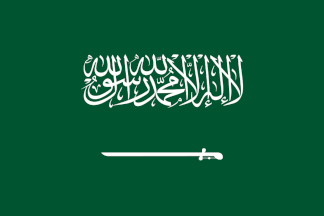 Saudi ArabiaModern countryAn absolute Gulf monarchy, Saudi Arabia unites power concentrated in the royal family, strict application of Islam, and an oil-dependent economy, pursuing controlled modernization under the crown prince's leadership.
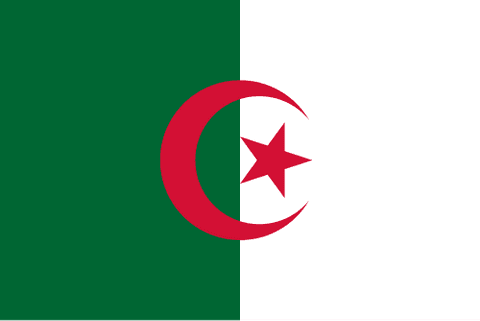 AlgeriaModern countryBorn from the war of independence against France, Algeria is an army-dominated republic with Islam as the state religion, a state-run economy dependent on oil and gas, a non-aligned foreign policy and repression of the Hirak movement.
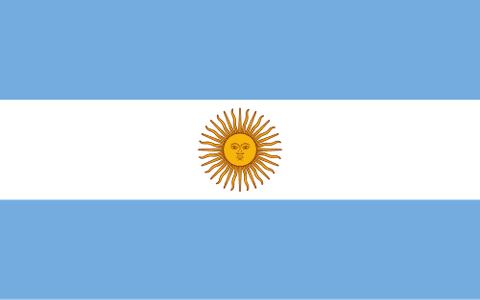 ArgentinaModern countryA presidential federal republic, Argentina under Javier Milei since 2023 pursues fiscal restraint, deregulation and privatization while retaining public services and aligning with the United States and Israel, breaking with Peronism.
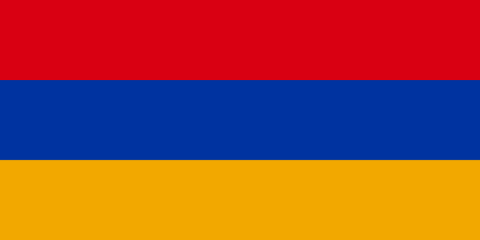 ArmeniaModern countryA semi-presidential republic in the Caucasus, Armenia combines Christian national identity and historical rivalry with Azerbaijan and Turkey, seeking balance between Russia, the West, and Iran.
 AustraliaModern countryA federal parliamentary monarchy, Australia unites stable democracy, multiculturalism, and a market economy rich in natural resources, with strong alignment with the West and rigorous, selective migration policies.
 AustriaModern countryA parliamentary federal republic in Central Europe, Austria combines military neutrality, a robust welfare state, a social market economy, a moderate Catholic-secular culture, and deep integration into the European Union.
 BahrainModern countryA Persian Gulf monarchy ruled by the Sunni Al Khalifa dynasty over a Shia majority, Bahrain combines a liberalized financial hub, a parliament with limited powers, repression of the opposition since 2011, and alignment with Saudi Arabia and the US.
 Bavaria (Germany)Modern countryGermany's largest federal state, Bavaria combines strong regional identity and Catholicism, historic dominance by the CSU, cutting-edge industry (BMW, Siemens), and active defense of its fiscal and cultural autonomy from Berlin.
 BelgiumModern countryFederal parliamentary monarchy made up of three regions and three linguistic communities, with competitive elections, broad social protection, and an open economy integrated into the European Union. National politics combines multiparty coalitions, regional autonomy, and guarantees of religious freedom.
 BelarusModern countryA post-Soviet presidential republic, Belarus is ruled by an authoritarian, personalist regime, with strong state control of the economy, repression of the opposition, and a close political alliance with Russia.
 BoliviaModern countryAn Andean presidential republic, Bolivia is marked by indigenous leadership, the defense of natural resources, and a plurinational state project that unites economic nationalism and broad popular participation.
 BrazilModern countryThe largest country in Latin America, Brazil is a democratic presidential federal republic with a mixed economy, broad social policies, and strong regional, cultural, and political diversity that shapes its electoral disputes.
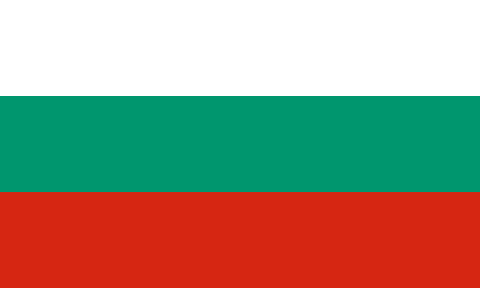 BulgariaModern countryA parliamentary republic with an Orthodox majority, Bulgaria belongs to the EU and NATO, with a low flat tax, chronic political instability, oligarchs and corruption, historic ties to Russia, a nuclear plant, a Roma minority and conservative laws on gender.
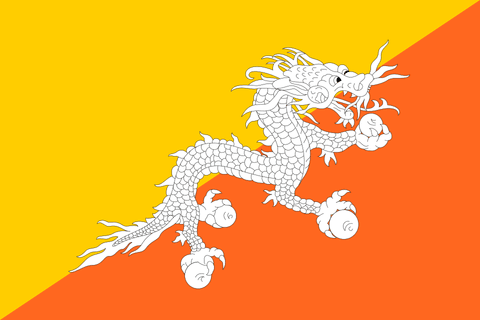 BhutanModern countryA small Himalayan kingdom, Bhutan combines a Buddhist constitutional monarchy, strong protection of traditional culture and nature, and Gross National Happiness as its compass of government, with cautious openness to the outside world.
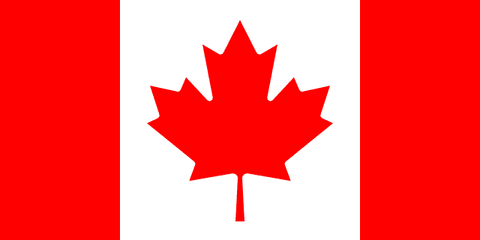 CanadaModern countryA federal parliamentary monarchy, Canada combines stable democracy, multiculturalism, a broad welfare state, and a market economy rich in natural resources, with a strong commitment to rights and diversity.
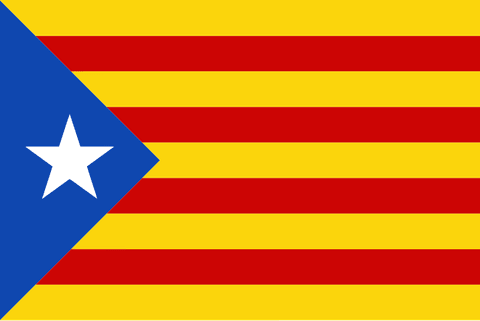 Catalonia (Spain)Modern countryAn autonomous region in northeastern Spain, Catalonia combines its own national identity and language, an industrial, cosmopolitan economy, progressive social politics, and a strong independence movement that culminated in the 2017 referendum.
 QatarModern countryA small absolute Gulf monarchy, Qatar concentrates power in the royal family and bases its wealth on natural gas, pairing religious conservatism with intense international projection through investments, media, and diplomacy.
 Zapatista Chiapas (Mexico)Modern countryZapatista territories in southern Mexico, self-governed since 1994 by mostly Maya communities through caracoles and Good Government Councils, rejecting political parties and the state, with cooperative agrarian economy and strong women's leadership.
 ChileModern countryA South American presidential republic, Chile combines stable democracy, an open market economy, and a strong social and progressive agenda, a legacy of redemocratization after Pinochet's military dictatorship.
 ChinaModern countryA single-party socialist state, China unites the absolute political control of the Communist Party with a state-directed market economy, becoming a global industrial, technological, and geopolitical power.
 CyprusModern countryA presidential republic of the EU, divided since the Turkish invasion of 1974, with an occupied north recognized only by Turkey, an influential Orthodox Church, a services and finance economy, sovereign British bases, a strong communist party and a peace plan rejected in 2004.
 Chongqing (China)Modern countryChina's largest directly administered municipality, Chongqing combines heavy industry, a car-making base and freight trains to Europe with Bo Xilai's "Chongqing model" (public housing, anti-crime campaign, "red songs"), ended in 2012.
 ColombiaModern countryA South American presidential republic, Colombia combines democracy, a strong Catholic tradition, and a market economy, seeking to consolidate peace after decades of armed conflict under an unprecedented left-wing government.
 North KoreaModern countryA totalitarian single-party state, North Korea maintains a planned economy, international isolation, and a cult of the Kim dynasty, uniting communism, nationalism, and the self-reliance doctrine known as Juche.
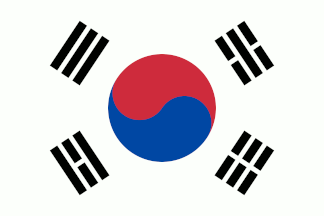 South KoreaModern countryAn Asian presidential republic, South Korea combines a vibrant democracy, an export-oriented market economy, and technological leadership, the result of rapid development under strong state impetus.
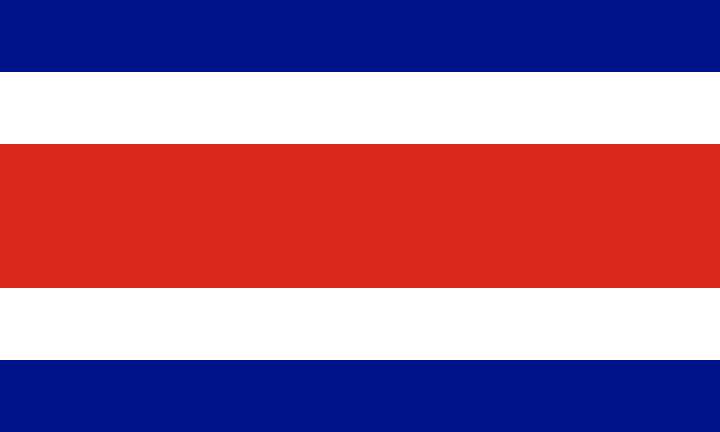 Costa RicaModern countryA presidential republic in Central America, Costa Rica stands out for abolishing its armed forces, its consolidated democracy, its environmental commitment, and a tradition of political stability and peace in the region.
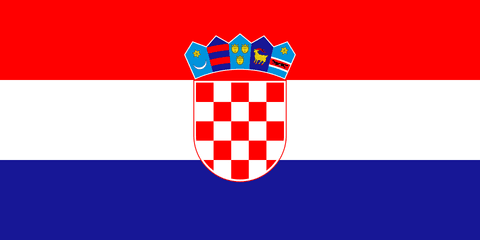 CroatiaModern countryA Catholic parliamentary republic, Croatia belongs to the EU, the euro, Schengen and NATO, with a dominant Adriatic tourism sector, long-lasting HDZ governments, a contested memory of the war of independence, a Serb minority and a Church influential on family issues.
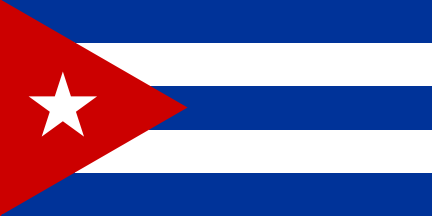 CubaModern countryA single-party socialist state in the Caribbean, Cuba maintains a planned economy, strong state control, and universal public services, with power centralized since the revolution led by Fidel Castro in 1959.
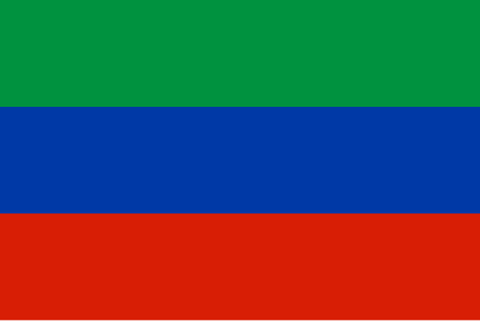 Dagestan (Russia)Modern countryA republic of the Russian Federation in the North Caucasus, Dagestan is multiethnic and Sunni Muslim-majority, with strong Sufi religiosity, local clans, dependence on subsidies from Moscow, repression of radical Islamism, and little real autonomy.
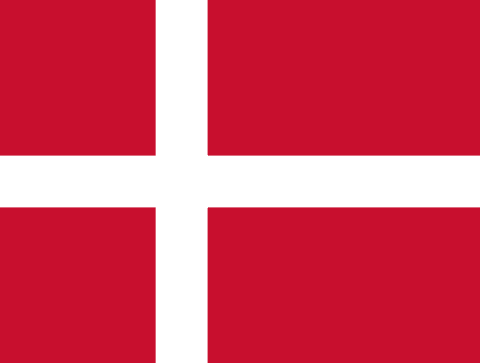 DenmarkModern countryA Nordic parliamentary monarchy, Denmark combines a generous welfare state, high taxes, and a competitive market economy, pairing strong social equality with more restrictive migration policies.
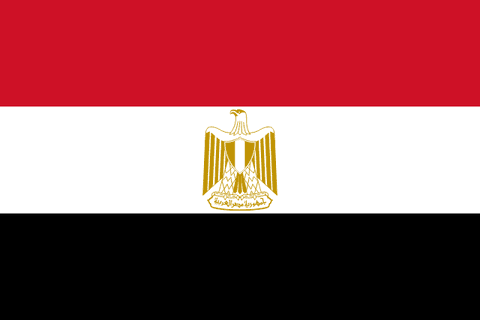 EgyptModern countryAn Arab presidential republic, Egypt is governed by an authoritarian regime with heavy military weight, which prioritizes security and stability, controls the opposition, and directs much of the economy through the state.
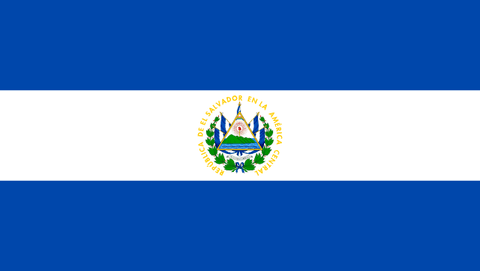 El SalvadorModern countryA presidential republic in Central America, El Salvador gained prominence for its tough security policy against gangs and its adoption of bitcoin, uniting strong popular support and the concentration of power in the executive.
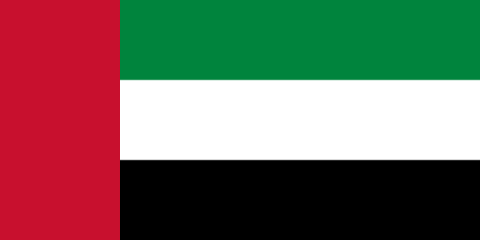 United Arab EmiratesModern countryA federation of Gulf monarchies, the United Arab Emirates combines power concentrated in the royal families, a liberal economy diversified beyond oil, and strong bets on technology, tourism, and global finance.
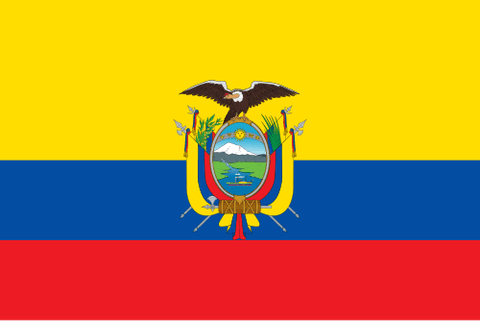 EcuadorModern countryAn Andean republic dollarized since 2000, Ecuador is governed by Daniel Noboa, who declared an internal armed conflict against organized crime and deployed soldiers in the streets and prisons, but saw foreign military bases rejected in a 2025 referendum.
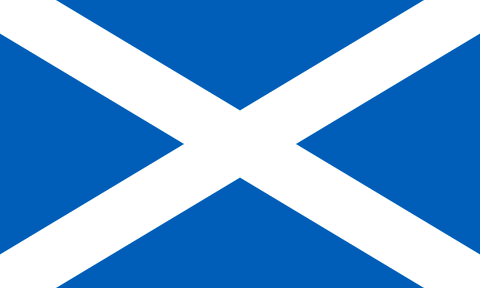 Scotland (United Kingdom)Modern countryA constituent country of the United Kingdom, Scotland has its own parliament, a distinct national identity and language, a strong independence movement (2014 referendum), and social-democratic politics further left than England's.
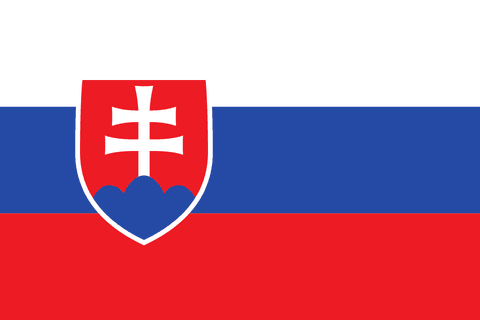 SlovakiaModern countryA parliamentary republic born of the peaceful split of Czechoslovakia in 1993, integrated into the European Union, NATO, and the euro, with an industrial economy centered on automotive manufacturing and politics marked by nationalism, Catholic traditionalism, and scepticism toward foreign military aid.
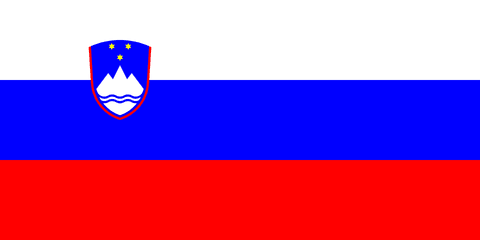 SloveniaModern countryA parliamentary republic that separated peacefully from Yugoslavia in 1991 and joined the European Union, NATO, and the euro, combining a market economy with strong social protection, influential unions, and a largely secular society.
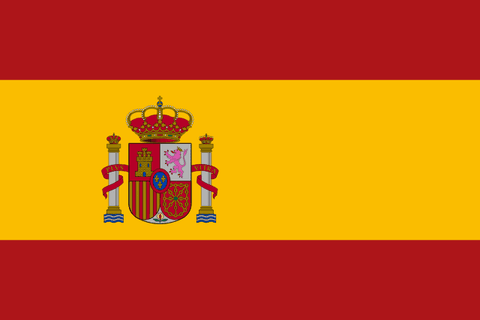 SpainModern countryA parliamentary monarchy, Spain combines a consolidated democracy, strong decentralization into autonomous communities, a market economy, and social, progressive policies, with regional tensions such as the Catalan question.
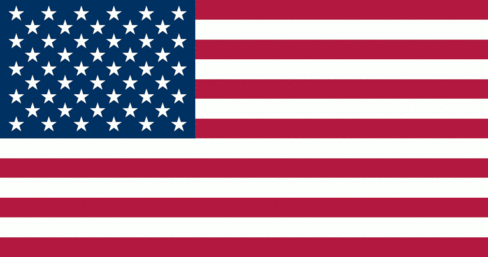 United StatesModern countryA global power and presidential federal republic, the United States combines a strong liberal tradition, a dynamic market economy, technological innovation, and a two-party system that polarizes national political life.
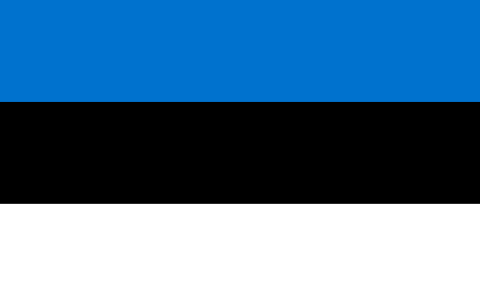 EstoniaModern countryA Baltic parliamentary republic, Estonia unites liberal democracy, an open economy, an advanced digital state, and strong Euro-Atlantic alignment, remaining vigilant about national sovereignty in the face of Russian pressure.
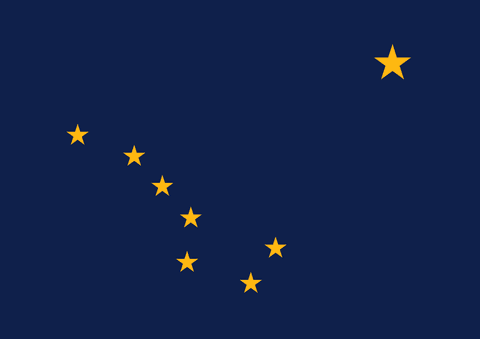 Alaska (United States)Modern countryThe largest US state and one of the least densely populated, Alaska lives off oil, pays every resident an annual dividend from its Permanent Fund, levies no state income tax, and has a strong gun culture, Native corporations and distrust of the federal government.
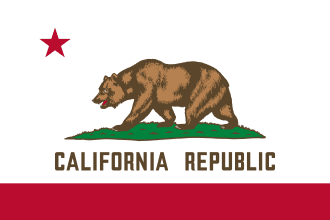 California (United States)Modern countryThe most populous US state, California is a global hub of technology and culture, with strongly progressive, environmentalist, and technocratic politics and a gigantic, innovative market economy.
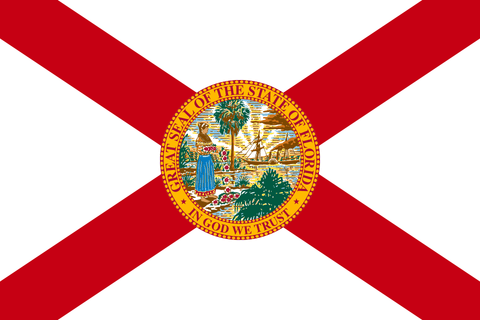 Florida (United States)Modern countryA US state with a conservative, pro-market profile, Florida combines low taxation, tourism, intense immigration, combative cultural politics, and a state government active in security and education.
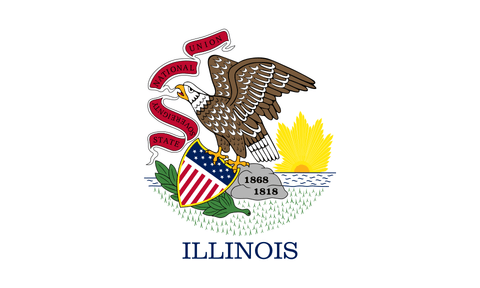 Illinois (United States)Modern countryA Midwestern state dominated by Chicago, Illinois combines a Democratic political machine with a history of corruption, strong public-sector unions, a huge pension debt, strict gun laws, liberalized social policy and a conservative agricultural interior.
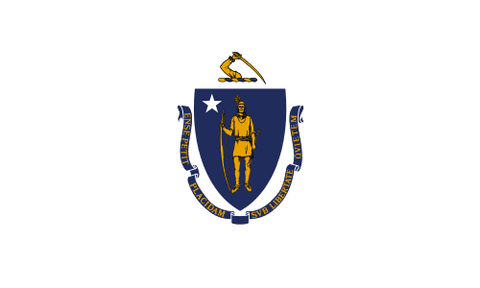 Massachusetts (United States)Modern countryA northeastern US state, Massachusetts is a progressive stronghold and a hub of education and science, with prestigious universities, a strong liberal tradition, and politics focused on social rights and innovation.
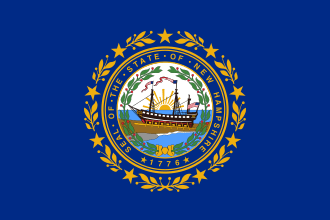 New Hampshire (United States)Modern countryA small state in the northeastern United States, New Hampshire is known for its strong libertarian culture, low taxation, absence of a state income tax, and a motto that exalts liberty above all.
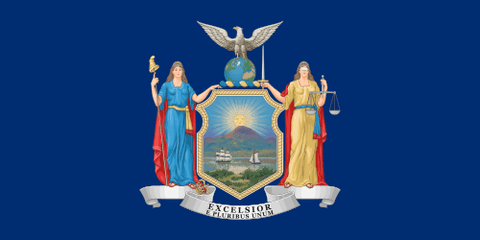 New York (United States)Modern countryThe financial and cultural center of the United States, New York combines liberal, progressive politics, enormous immigrant diversity, a globalized service-based economy, and strong symbolic weight in the world.
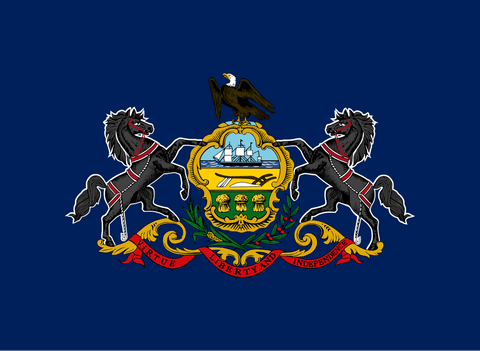 Pennsylvania (United States)Modern countryAn industrial northeastern state and cradle of the Constitution, Pennsylvania is split between Democratic Philadelphia and Pittsburgh and a conservative interior, with shale gas, a union tradition, hunting culture and a state monopoly on wine and spirits.
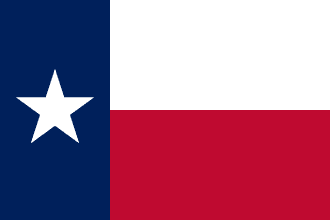 Texas (United States)Modern countryThe second-largest US state, Texas stands out for its conservatism, its culture of strong individual freedom, low taxation, and a dynamic market economy tied to energy and industry.
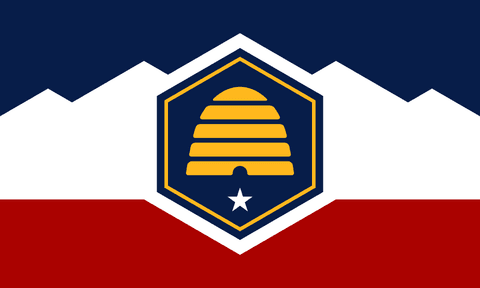 Utah (United States)Modern countryA western US state with a Mormon majority, Utah combines the Latter-day Saints Church's influence over family and customs, a flat income tax, balanced budgets, a booming tech sector, a welcoming stance toward refugees and strict alcohol control.
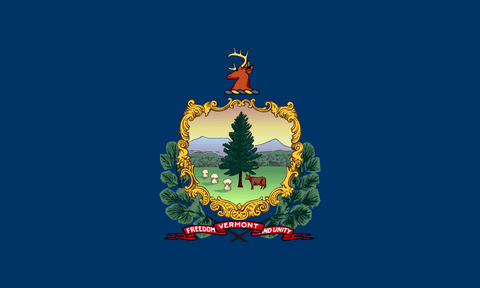 Vermont (United States)Modern countryA small rural New England state, Vermont combines direct-democracy town meetings, the progressive politics of Bernie Sanders, cooperatives, dairy farming and environmentalism, with one of the least religious populations in the country and permissive gun laws.
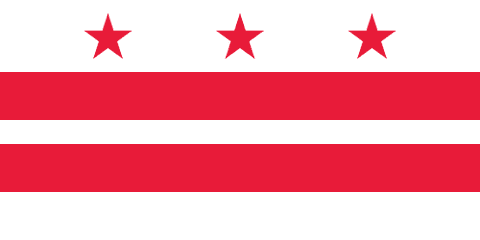 Washington, D.C. (United States)Modern countryThe capital of the United States, Washington concentrates federal power and government institutions, with the strong weight of the public machine, a globalist orientation, and a central role in the country's diplomacy and military power.
 Wyoming (United States)Modern countryThe least populous U.S. state, Wyoming levies no state income or corporate tax, bases its economy on oil, gas, and mining, and combines a strong gun culture with deep distrust of the federal government.
 PhilippinesModern countryAn archipelagic presidential republic, the Philippines combines a democracy dominated by political dynasties, a strong Catholic identity, and a market economy, with security and anti-crime agendas in the spotlight.
 FinlandModern countryA Nordic parliamentary republic, Finland combines a welfare state, social market economy, high educational and technological performance, progressive values, and a strategic culture shaped by territorial defense and its border with Russia.
 FranceModern countryA European semi-presidential republic, France combines a strong republican and secular tradition, a robust welfare state, a mixed economy, and a prominent diplomatic, cultural, and military role in the European Union and the world.
 GeorgiaModern countryA semi-presidential republic in the Caucasus, Georgia pursues integration with the European Union and NATO, maintains an open market economy, and faces Russian occupation of Abkhazia and South Ossetia since 2008.
 GreeceModern countryA southeastern European parliamentary democracy with the Orthodox Church recognized in its constitution, Greece overcame the debt crisis under EU-imposed austerity, is governed by Kyriakos Mitsotakis's New Democracy and legalized same-sex marriage in 2024.
 Greenland (Denmark)Modern countryAn autonomous territory of the Kingdom of Denmark, Greenland has its own government and parliament, an Inuit majority, a fishing economy sustained by Danish subsidies, public health and education, a debate over independence and an Arctic contest over minerals and military bases.
 Hong Kong (China)Modern countryA global financial center, Hong Kong is an autonomous region of strong free-market capitalism and technocratic management, whose broad autonomy has been increasingly restricted by mainland China's political control.
 HungaryModern countryA parliamentary republic in Eastern Europe, Hungary is governed under so-called illiberal democracy, uniting nationalism, Christian conservatism, sovereignty vis-à-vis the European Union, and strong control of media and institutions.
 IndonesiaModern countryThe world's largest Muslim country, Indonesia is a democratic presidential archipelagic republic, with an expanding market economy, great ethnic and religious diversity, and growing regional weight in Southeast Asia.
 England (United Kingdom)Modern countryThe largest constituent country of the United Kingdom, England is governed directly by Westminster with no parliament of its own, with an established Church of England, a public health service (NHS), a financial centre in London, a Brexit majority and a growing populist vote.
 IranModern countryA theocratic Islamic republic, Iran combines elected institutions with the supreme authority of the clerics, under the rule of the religious jurist, a state-controlled economy, and strong regional projection in the Middle East.
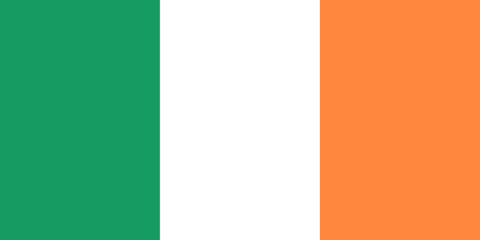 IrelandModern countryA European parliamentary republic, Ireland combines liberal democracy, an open market economy attractive to multinationals, a tradition of neutrality, and rapid social transformation toward progressive policies.
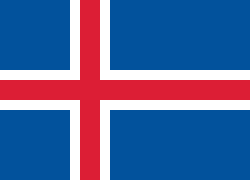 IcelandModern countryA Nordic parliamentary republic, Iceland combines stable democracy, a welfare state, an open market economy, a highly secular and progressive society, strong institutional trust, and a peaceful foreign policy without permanent armed forces.
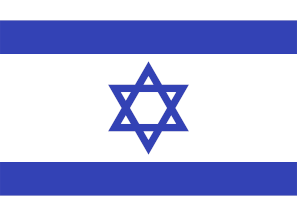 IsraelModern countryA parliamentary republic in the Middle East, Israel combines a vibrant democracy, a strong Jewish national identity, an advanced technology economy, and a prolonged conflict with the Palestinians that dominates its politics and security.
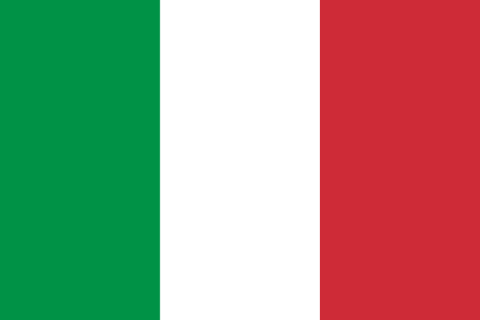 ItalyModern countryA Mediterranean parliamentary republic, Italy unites a long cultural heritage, a diversified market economy, and unstable, fragmented politics, with the recent rise of conservative and nationalist forces.
 JapanModern countryAn Asian parliamentary monarchy, Japan unites tradition and high technology, with an advanced market economy, an aging society, and stable conservative politics, maintaining constitutional pacifism and strong global economic weight.
 LatviaModern countryA Baltic parliamentary republic, Latvia combines the EU, NATO and an open economy with defence of the Latvian language, citizenship withheld from part of the Russian-speaking minority, distrust of Russia and a Lutheran, Catholic and Orthodox society that is highly secular.
 LebanonModern countryA parliamentary republic in the Middle East, Lebanon divides power among religious communities in a confessional system, with pluralism, a strong service sector, and chronic political and economic instability.
 LiechtensteinModern countryA tiny European principality, Liechtenstein is a prosperous constitutional monarchy, with strong local autonomy, a liberal economy based on finance and industry, and one of the highest income levels per capita in the world.
 LithuaniaModern countryA Baltic semi-presidential republic, Lithuania left the USSR in 1990 and belongs to the EU, the euro and NATO, with strong hostility to Russia, high military spending, support for Ukraine, an open economy and a Catholic-majority society that is secularizing.
 LuxembourgModern countryA European grand duchy and global financial center, Luxembourg combines parliamentary monarchy, an open economy, deep European integration, and a multicultural society sustained by services, technology, and finance.
 Macau (China)Modern countryA Chinese special administrative region and the world's largest gambling center, Macau unites very low taxes, a hyper-open economy of casinos and tourism, a Portuguese Catholic heritage, and a political system controlled by Beijing, without full democracy.
 Madrid (Spain)Modern countryThe autonomous community around the Spanish capital, Madrid has been governed by the People's Party since 1995 and, under Isabel Díaz Ayuso, became a showcase of low taxes, economic freedom, school choice and attraction of capital and Latin American immigrants.
 MalaysiaModern countryAn elective federal monarchy in Southeast Asia, Malaysia combines democracy, a multiethnic society, Islam as the official religion, and a state-directed market economy, with affirmative action policies for Malays.
 MoroccoModern countryA constitutional monarchy in North Africa, Morocco has an elected parliament, but the king, Commander of the Faithful, holds real power, with official Islam, a market economy open to trade, and a claim over Western Sahara.
 MexicoModern countryA presidential federal republic in North America, Mexico unites electoral democracy, a market economy integrated with the United States, and persistent challenges of inequality, corruption, and drug-related violence.
 MyanmarModern countryA Southeast Asian country ruled by a military junta since the 2021 coup, Myanmar is in civil war against ethnic and pro-democracy militias, with official Buddhist nationalism and persecution of the Muslim Rohingya minority.
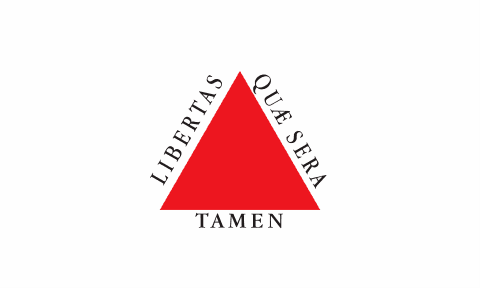 Minas Gerais (Brazil)Modern countryA historic mining state and birthplace of a failed 18th-century independence conspiracy against colonial rule, Minas Gerais has an economy built on mining and agriculture, with traditionally moderate, conciliatory politics.
 MonacoModern countryA small Mediterranean principality, Monaco combines constitutional monarchy, low taxation, strong dependence on financial services and luxury tourism, maintaining a conservative social order and great economic openness.
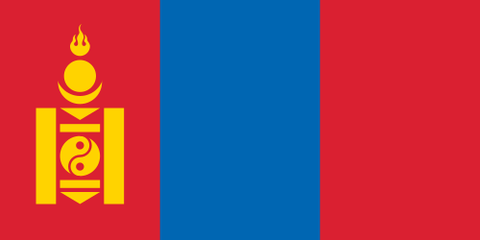 MongoliaModern countryA democratic republic between Russia and China, Mongolia left communist rule in 1990 and has competitive elections, a mining-dependent market economy, a nomadic tradition, and a revival of Tibetan Buddhism.
 NigeriaModern countryAfrica's most populous country, Nigeria is a federation split between a Muslim north, with sharia in twelve states, and a Christian south, dependent on oil and scarred by Boko Haram, and under Bola Tinubu it cut fuel subsidies.
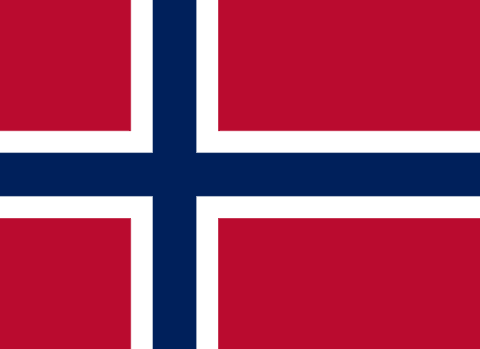 NorwayModern countryA Nordic parliamentary monarchy, Norway combines a broad welfare state, oil wealth managed by a large sovereign fund, and strong social equality, serving as a benchmark of quality of life and social democracy.
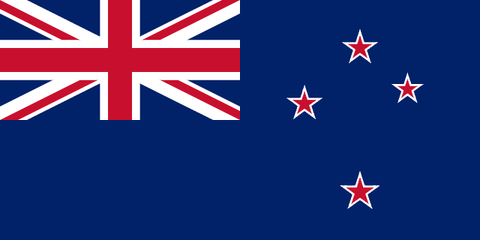 New ZealandModern countryA Pacific parliamentary monarchy, New Zealand is known for progressive democracy, social welfare, and an open market economy, with strong recognition of Māori culture and the country's bicultural partnership.
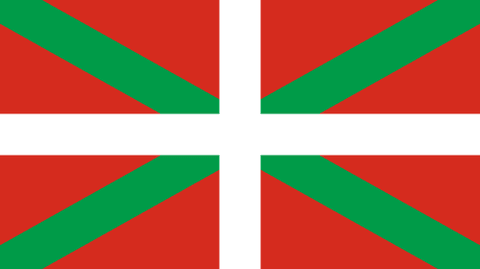 Basque Country (Spain)Modern countryAn autonomous Spanish community comprising Araba, Bizkaia and Gipuzkoa, with its own parliament, co-official Basque language and distinctive fiscal autonomy. Basque nationalism and historic provincial institutions shape regional politics.
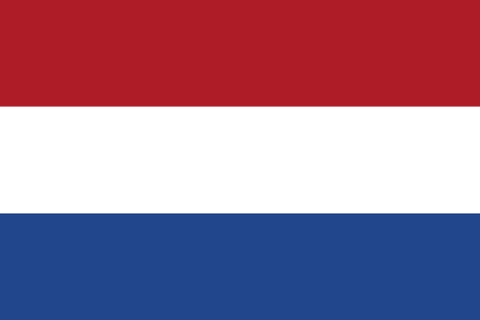 NetherlandsModern countryA parliamentary monarchy, the Netherlands is known for its liberal tradition, social tolerance, and free trade, with an open, globalized economy and progressive policies on customs and individual rights.
 PalestineModern countryRecognized by the UN as an observer state, Palestine is governed by the Fatah-led Palestinian Authority, with territory split between the occupied West Bank and a Gaza Strip devastated by war, an aid-dependent economy, and elections suspended for two decades.
 PanamaModern countryA unitary presidential republic that abolished its standing armed forces and maintains a dollarized economy centered on the Canal, financial services, the Colón Free Trade Zone, and international trade integration.
 PakistanModern countryA parliamentary Islamic republic and nuclear power, Pakistan alternates civilian governments with strong army tutelage, with sharia-inspired laws, a mixed economy dependent on foreign aid, and a permanent rivalry with India.
 ParaguayModern countryA unitary presidential republic governed for decades by the Colorado Party, with low taxation, a soy- and beef-exporting economy, major hydroelectric output at Itaipú, and a conservative, largely Catholic society bilingual in Guaraní.
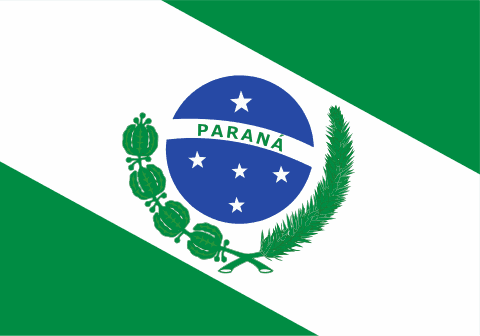 Paraná (Brazil)Modern countryA southern state with strong agribusiness and European immigrant settlement, Paraná combines a thriving agricultural and industrial economy with a mostly conservative, economically liberal electorate.
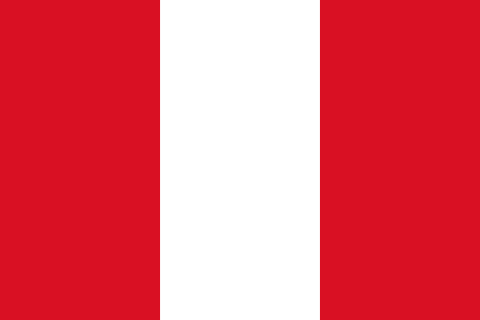 PeruModern countryA unitary presidential republic marked by severe political instability and successive presidential removals, with an open economy based on mining, widespread labor informality, and deep inequality between the coast and the Andean and Amazonian regions.
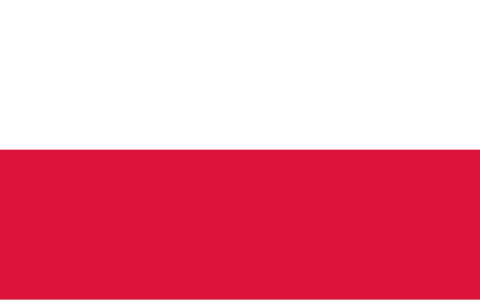 PolandModern countryA parliamentary republic in Eastern Europe, Poland combines democracy, a strong Catholic and nationalist identity, and a growing market economy, with politics marked by tensions between conservatism and liberalism.
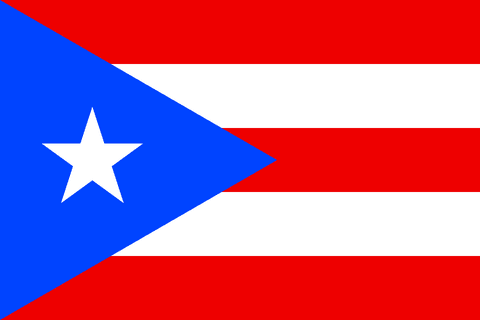 Puerto Rico (United States)Modern countryUnincorporated United States territory in the Caribbean, Puerto Rico holds American citizenship without full voting representation in Congress, faces an ongoing debate between statehood, independence, and the current status, and struggles with debt crisis and heavy dependence on federal tax incentives.
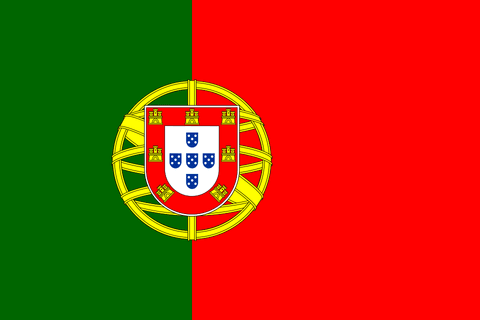 PortugalModern countryA European semi-presidential republic, Portugal combines consolidated democracy, a market economy integrated into the European Union, a moderate welfare state, low institutional conflict, secularized Catholic heritage, and strong Atlantic openness.
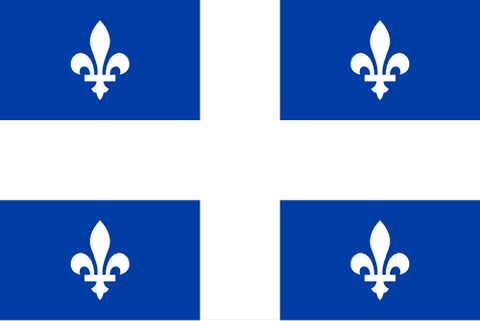 Quebec (Canada)Modern countryA predominantly French-speaking Canadian province, Quebec protects French as its common official language and exercises extensive powers within the federation. Quebec nationalism and state secularism shape its regional politics.
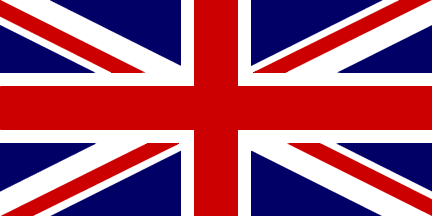 United KingdomModern countryA parliamentary monarchy, the United Kingdom has a long liberal and democratic tradition, a market economy, and a strong financial sector, maintaining global influence after leaving the European Union in the process known as Brexit.
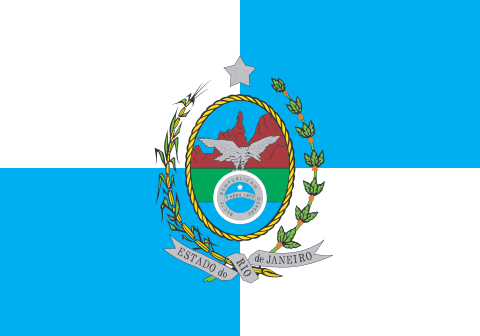 Rio de Janeiro (Brazil)Modern countryA state symbolizing Brazilian tourism and culture, Rio de Janeiro faces urban violence and territorial disputes between militias and drug gangs, with politics dominated by public security and populism.
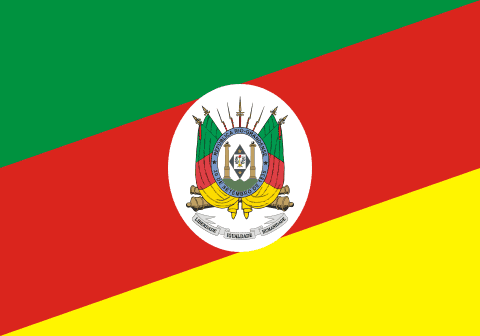 Rio Grande do Sul (Brazil)Modern countryBrazil's southernmost state, Rio Grande do Sul has a strong regional identity and a tradition of polarized political disputes, with an economy built on agribusiness, ranching, and industry.
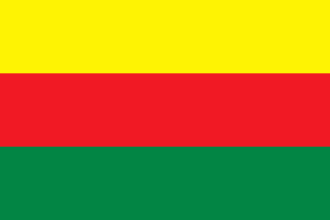 Rojava (North and East Syria)Modern countryAn autonomous region in northern Syria, Rojava organizes itself through democratic confederalism, with local self-management, gender equality, ethnic pluralism, and ecology, inspired by the libertarian ideas of Abdullah Öcalan.
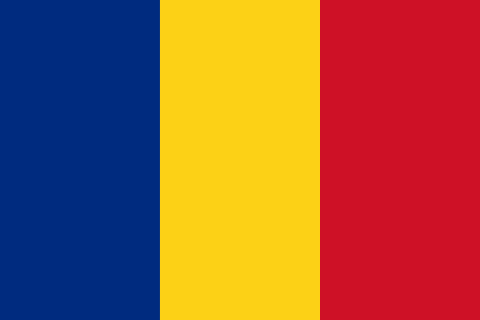 RomaniaModern countryA semi-presidential republic with an Orthodox majority, Romania inherits Ceaușescu's regime and combines the EU, NATO and US bases with a low flat tax, an anti-corruption drive, rising nationalism, an influential Church and the annulment of the 2024 presidential election.
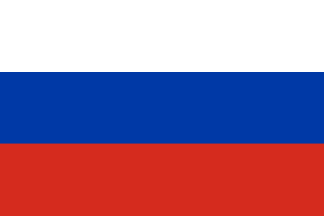 RussiaModern countryA Eurasian presidential republic, Russia concentrates power in an authoritarian, nationalist regime, with an economy dependent on natural resources, a strong military apparatus, and a foreign policy of confrontation with the West.
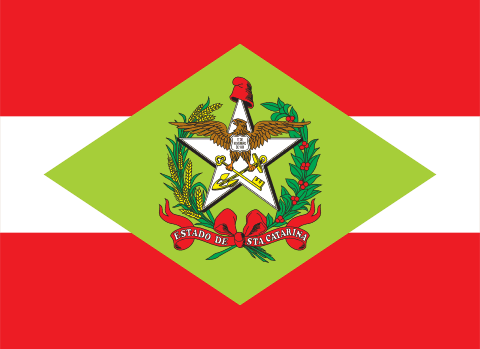 Santa Catarina (Brazil)Modern countryA southern state settled by Azorean and other European immigrants, Santa Catarina has a high human development index, a diversified small- and medium-business economy, and a predominantly conservative electorate.
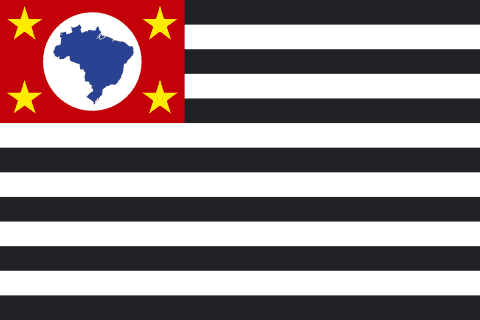 São Paulo (Brazil)Modern countryBrazil's most populous and wealthiest state, São Paulo is the country's industrial and financial engine, marked by strong economic liberalism, a cosmopolitan culture, and decisive weight in national politics.
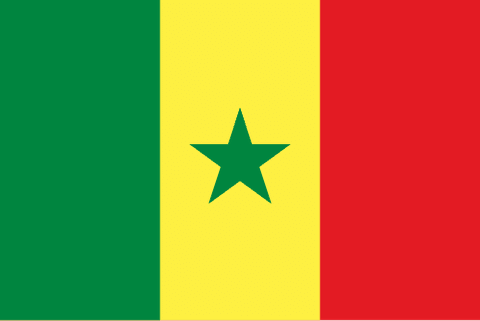 SenegalModern countryA Sufi Muslim-majority West African republic, Senegal is a stable secular democracy that since 2024, under Bassirou Diomaye Faye and Ousmane Sonko, has pursued left-wing sovereigntism: it removed French troops and criticizes the CFA franc.
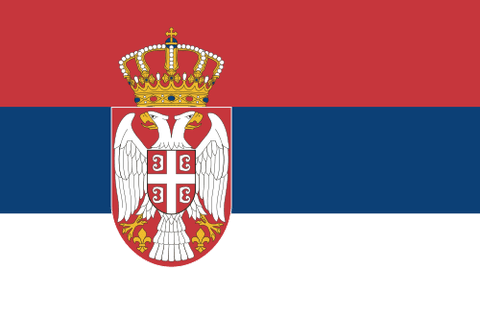 SerbiaModern countryAn Orthodox-majority Balkan country, Serbia has been dominated since 2012 by Aleksandar Vučić's party, is an EU candidate yet close to Russia and China, militarily neutral, does not recognize Kosovo and faced massive student protests in 2025.
 Shenzhen (China)Modern countryChina's first Special Economic Zone, created by Deng Xiaoping in 1980, Shenzhen went from fishing village to global technology and manufacturing hub (Huawei, Tencent, DJI), with a dynamic market under Communist Party oversight.
 SingaporeModern countryAn Asian city-state, Singapore is a parliamentary republic dominated by a single party, combining open capitalism, efficient technocratic management, strict order, and limited political freedoms in the name of progress.
 SyriaModern countryUnder President Ahmed al-Sharaa, Syria is in a transition begun after Assad’s fall, with a 2025 provisional constitution, reconstruction, and challenges of unity, security, and minority rights.
 Sri LankaModern countryAn island presidential republic in South Asia, Sri Lanka gives constitutional primacy to Buddhism, won the war against Tamil separatists in 2009, faced the 2022 debt crisis, and elected a left-wing coalition in 2024.
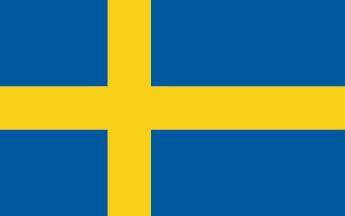 SwedenModern countryA Nordic parliamentary monarchy, Sweden is a benchmark of social democracy, with a broad welfare state, high taxes, strong social equality, and an open, innovative market economy combined with progressive values.
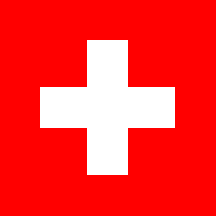 SwitzerlandModern countryA European federal confederation, Switzerland is known for its direct democracy, strong cantonal autonomy, historic neutrality, and a prosperous economy based on finance, precision industry, and institutional stability.
 Zug (Switzerland)Modern countrySwitzerland's smallest canton and one of the lowest-taxed jurisdictions in the world, Zug attracts holdings and foundations through low taxation, hosts the Crypto Valley around Ethereum and accepts tax payments in bitcoin, under cantonal direct democracy.
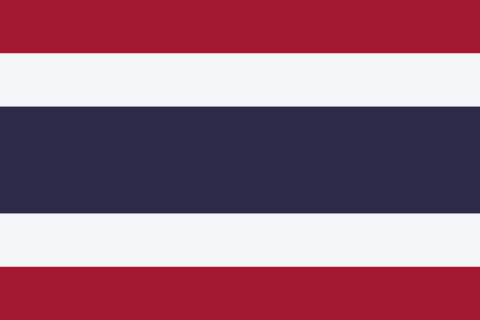 ThailandModern countryA constitutional monarchy in Southeast Asia, Thailand alternates civilian governments and strong military influence, with a revered monarchy, predominant Buddhism, and a market economy geared toward tourism and exports.
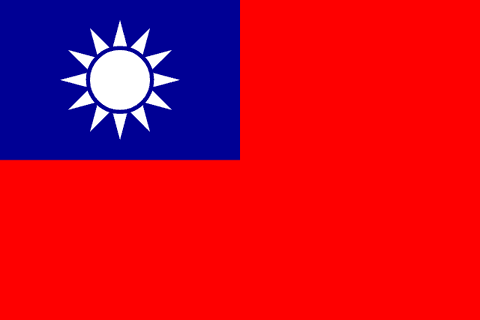 TaiwanModern countryAn island presidential republic, Taiwan is a vibrant democracy and global technology hub, especially semiconductors, living under constant military threat from China, and is Asia's pioneer in progressive causes such as marriage equality.
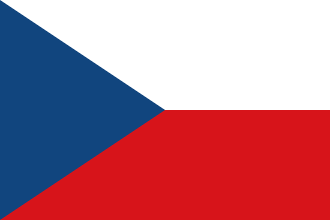 CzechiaModern countryA parliamentary republic in Central Europe, Czechia combines a consolidated liberal democracy, a strong secular tradition, an industrialized market economy, and integration into the European Union after the end of the socialist bloc.
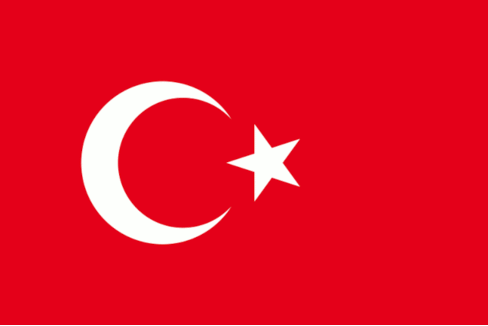 TurkeyModern countryA presidential republic between Europe and Asia, Turkey combines electoral democracy with strong concentration of power, nationalism, religious conservatism, and an assertive foreign policy in the Middle East and the Mediterranean.
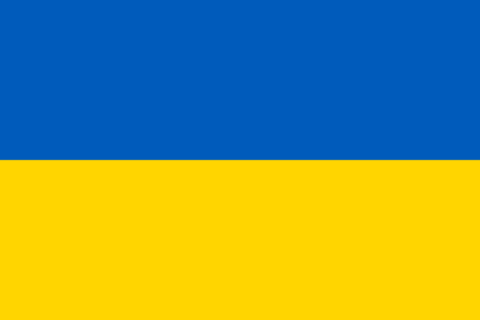 UkraineModern countryA semi-presidential republic in Eastern Europe, Ukraine is consolidating democracy, national identity, and closer ties to the West while resisting the Russian invasion, a struggle that dominates its politics, economy, and society.
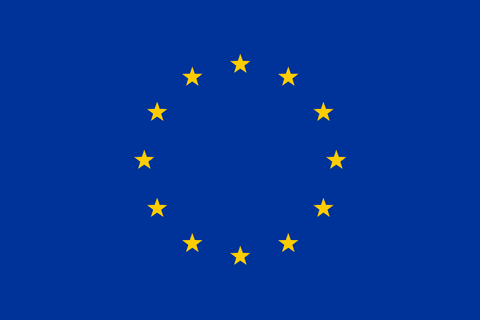 European UnionModern countryA supranational political and economic union, the European Union integrates democratic states through shared institutions, a common market, coordinated regulation, free movement, and a strong commitment to rights, secularism, and international cooperation.
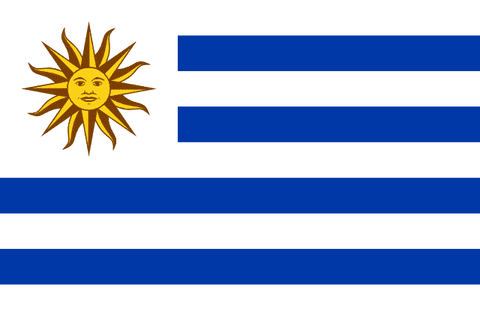 UruguayModern countryA South American presidential republic, Uruguay is recognized for solid democracy, strong secularism, broad social rights, and progressive policies, pairing institutional stability with a market economy.
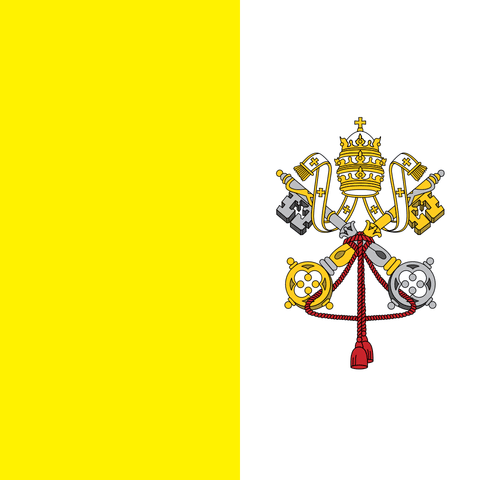 Vatican CityModern countryA city-state governed by the Holy See, the Vatican combines religious sovereignty, an absolute elective monarchy, and clerical administration, functioning as the institutional center of the Catholic Church and a global diplomatic actor.
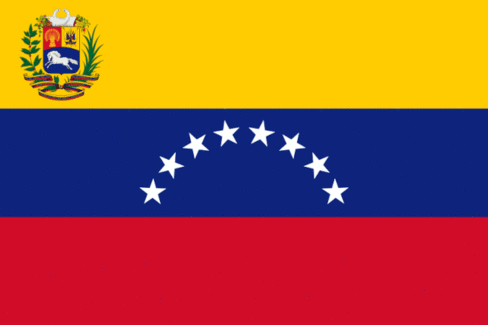 VenezuelaModern countryA South American presidential republic, Venezuela lives under an authoritarian regime of socialist and nationalist orientation, marked by concentration of power, a prolonged economic crisis, and heavy emigration of its population.
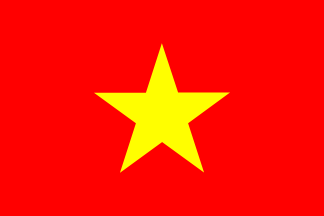 VietnamModern countryA single-party socialist state, Vietnam maintains the Communist Party's political control alongside market reforms that opened the economy, promoting rapid industrial growth and integration into global trade.
Guides and updates
Practical articles that support the main tool pages and answer long-tail search questions.
Blog