Historical regimes
20th and 21st Century Regimes
Thirty-one states and governments of the modern era, from the World Wars and the interwar period through the Cold War to the present day.
20th and 21st centuries
31 entries · 31 historical
These are states and regimes that no longer exist. They are kept out of the test’s default comparison set and are labelled wherever they appear, so a defunct state is never presented as a present-day match without saying so.
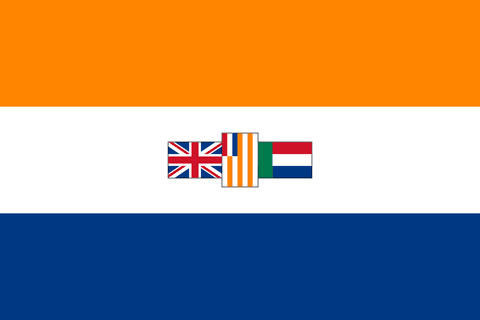 Apartheid South Africa1948–1994 · no longer existsA regime of institutional racial segregation, apartheid South Africa denied rights to the Black majority and concentrated power in the white minority, with separation laws that provoked strong internal resistance and sanctions.
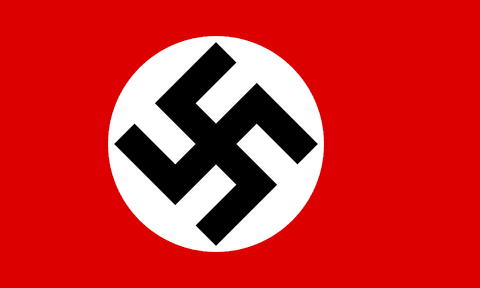 Nazi Germany (Third Reich)1933–1945 · no longer existsA totalitarian regime led by Hitler, the Third Reich imposed a racist, expansionist dictatorship, a cult of the leader, and a police state, being responsible for World War II and the genocide of the Holocaust.
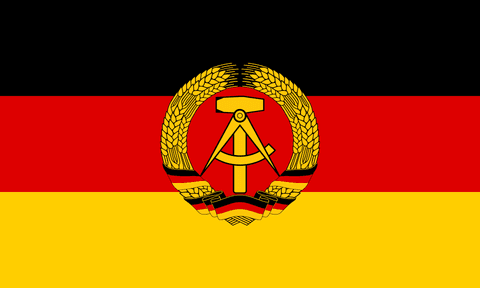 East Germany1949–1990 · no longer existsThe German Democratic Republic was a socialist state aligned with the Soviet Union, with single-party rule, an extensive political police, a planned economy, rigid social control, state secularization, and military integration into the Eastern Bloc.
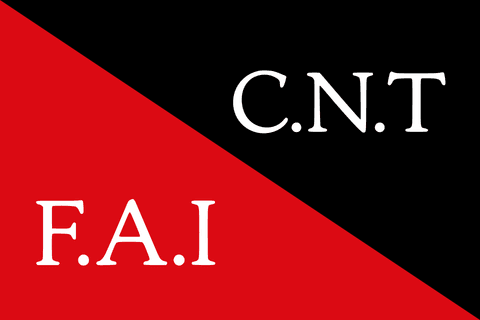 Anarchist Aragon and Catalonia1936–1939 · no longer existsDuring the Spanish Revolution, regions of Aragon and Catalonia lived an anarchist experiment of collectivizing land and factories, with workers' self-management and social organization without a central state.
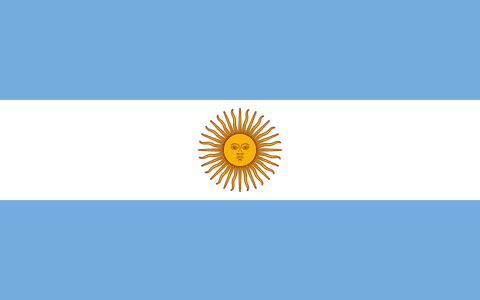 Peronist Argentina1946–1955 · no longer existsUnder Perón, Argentina experienced a populist, nationalist regime that united strong working-class support, corporatism, industrialization, and the expansion of social rights, leaving a lasting mark on the country's politics.
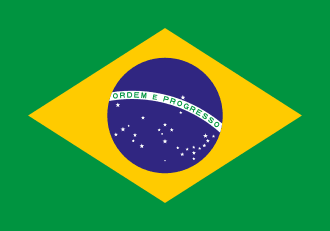 Brazil (Vargas Era)1930–1945 · no longer existsUnder Vargas, Brazil experienced a nationalist, developmentalist regime that promoted state-directed industrialization, labor legislation, and the centralization of power, laying the foundations of Brazilian labourism.
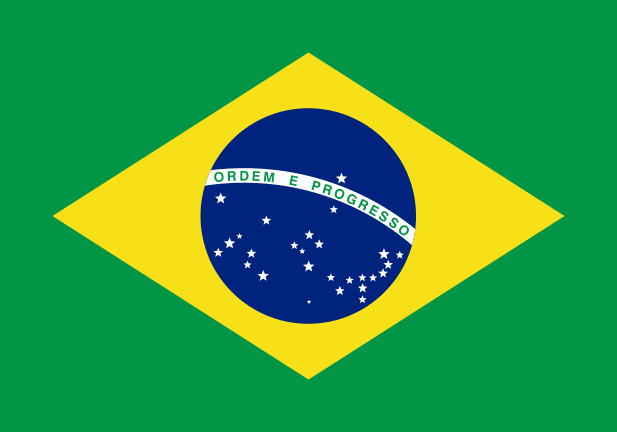 Brazil under Military Rule1964–1985 · no longer existsDictatorship installed in 1964, combining political repression, censorship, and security agencies with state-led developmentalism, major infrastructure projects, market reserves, and conservative moralism during the Cold War.
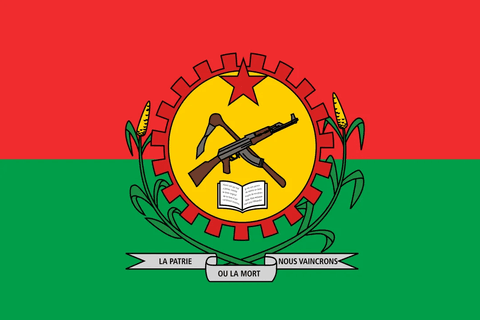 Sankara's Burkina Faso1983–1987 · no longer existsUnder Thomas Sankara, Burkina Faso combined food self-sufficiency, mass vaccination and literacy campaigns, women's emancipation, rejection of foreign debt, and a frontal break with French neocolonialism.
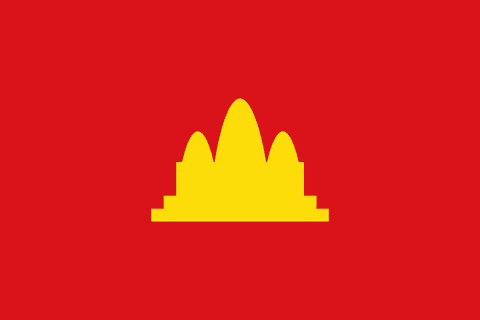 Khmer Rouge Cambodia (Pol Pot)1975–1979 · no longer existsA radical regime led by Pol Pot, the Khmer Rouge imposed extreme agrarian communism, emptied the cities, and abolished money and property, causing one of the greatest genocides of the 20th century in Cambodia.
 Allende's Chile1970–1973 · no longer existsUnder Allende's Popular Unity, Chile attempted democratic socialism through copper and bank nationalization, agrarian reform, and economic planning until the 1973 military coup.
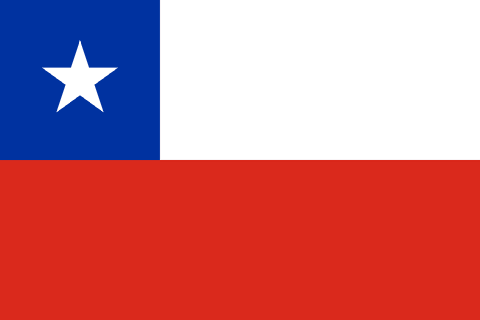 Pinochet's Chile1973–1990 · no longer existsA military dictatorship born of the 1973 coup, Pinochet's Chile united severe political repression with the pioneering adoption of neoliberal free-market reforms, deeply marking the country's economy and memory.
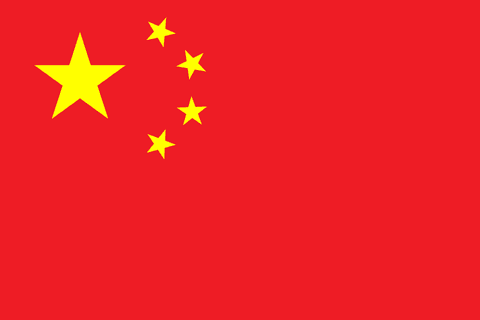 Maoist China1949–1976 · no longer existsUnder Mao, revolutionary China was a single-party communist state, with a collectivized economy and permanent mass mobilization, marked by campaigns such as the Great Leap Forward and the Cultural Revolution.
 Park Chung Hee's South Korea1961–1979 · no longer existsUnder Park Chung Hee, South Korea combined military-authoritarian rule, rigid anti-communism, social discipline, and state planning aimed at export-led industrialization, building the major chaebols and preparing the country's technological rise.
 Nasser's Egypt1954–1970 · no longer existsUnder Nasser, Egypt was a nationalist, developmentalist republic that nationalized strategic sectors, led pan-Arabism, and united Arab socialism, agrarian reform, and strong leadership in the Middle East.
 Francoist Spain1939–1975 · no longer existsA dictatorship born of the Civil War, Franco's Spain was an authoritarian, Catholic, corporatist regime that united nationalism and political repression and lasted until the democratic transition after the dictator's death.
 Kádár's Hungary1956–1989 · no longer existsEstablished after the crushing of the 1956 revolution, Kádár's regime combined single-party rule, Soviet alignment, gradual economic liberalization, a small private sector, and consumer welfare.
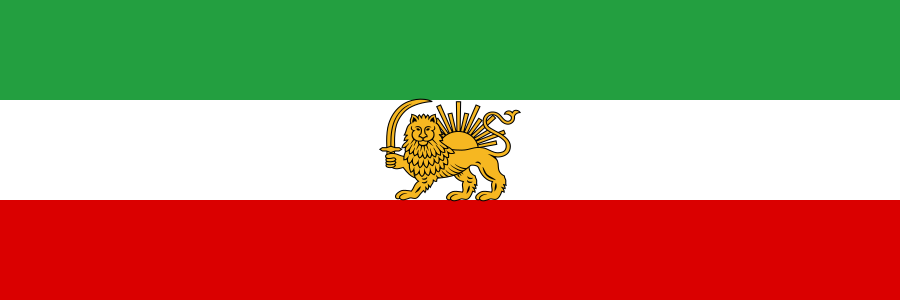 Iran under the Shah1953–1979 · no longer existsUnder Mohammad Reza Pahlavi after 1953, Iran combined authoritarian monarchy and political repression with industrialization, land reform, and women's rights in the White Revolution. Allied with the US, it funded development with oil until 1979.
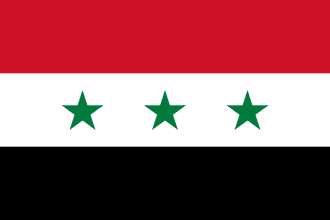 Ba'athist Iraq1968–2003 · no longer existsRuled by the Ba'ath Party from 1968 to 2003, Iraq combined Arab nationalism, state oil and one-party rule. Under Saddam Hussein, the regime intensified repression, fought wars against Iran and Kuwait, and faced international sanctions.
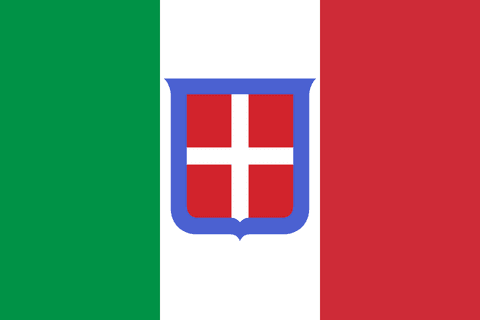 Fascist Italy (Mussolini)1922–1943 · no longer existsThe birthplace of fascism, Mussolini's Italy was a totalitarian dictatorship that fused nationalism, a cult of the leader, a corporatist state, and militarism, suppressing opposition and seeking imperial expansion by force.
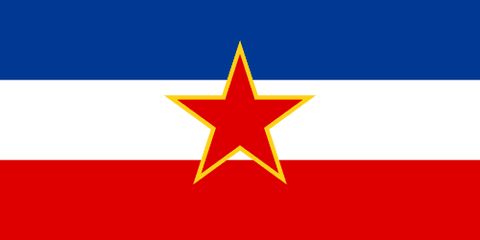 Socialist Yugoslavia1945–1992 · no longer existsA socialist federation led by Tito, Yugoslavia adopted workers' self-management and an independent path from Moscow, uniting diverse peoples under a single party until fragmenting into wars in the 1990s.
 Gaddafi's Libya1969–2011 · no longer existsUnder Muammar Gaddafi (1969–2011), Libya nationalized oil and proclaimed the Jamahiriya's direct democracy. Power remained concentrated in Gaddafi, backed by revolutionary committees and repression of the opposition.
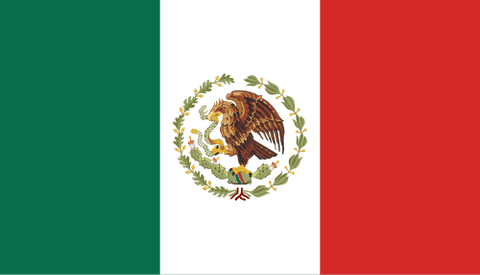 Cárdenas's Mexico1934–1940 · no longer existsGovernment of the Cardenista peak, marking the institutionalized Mexican Revolution through oil nationalization, ejido land reform, worker-peasant incorporation, popular secularism, and strong presidential leadership.
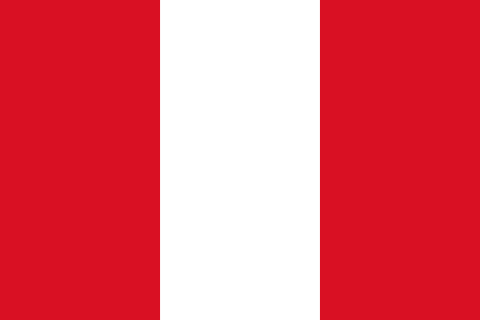 Fujimori's Peru1990–2000 · no longer existsUnder Alberto Fujimori, Peru combined a self-coup and the closing of Congress with neoliberal shock reforms, privatisations and trade liberalisation, alongside a dirty war against the Shining Path marked by massacres and forced sterilisations.
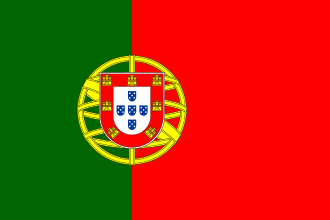 Portugal (Estado Novo)1933–1974 · no longer existsUnder Salazar, the Portuguese Estado Novo was a conservative, corporatist dictatorship that united Catholic nationalism, order, and political control without mass mobilization, holding the country and its colonies for decades.
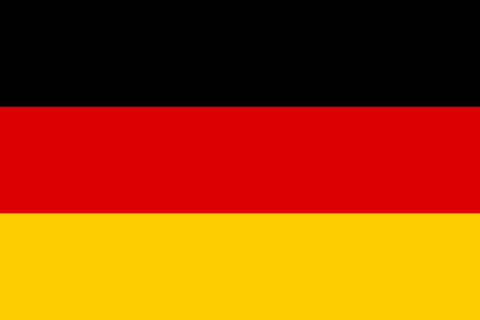 Weimar Republic1919–1933 · no longer existsGermany's first democracy, the Weimar Republic united parliamentarism, proportional representation, and intense cultural life, but was undermined by economic crises and political instability that paved the way for Nazism.
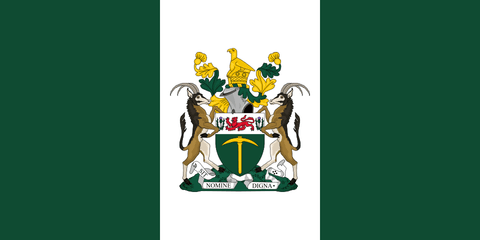 Rhodesia1965–1979 · no longer existsAfter unilaterally declaring independence from the United Kingdom in 1965, Rhodesia kept power in a white minority through a property-based franchise, sustained an agricultural and mining economy under international sanctions, and fought a long civil war until the transition to Zimbabwe.
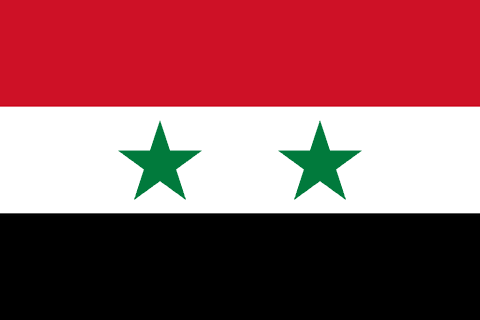 Assad's Syria2000–2024 · no longer existsUnder Bashar al-Assad (2000–2024), Syria was a centralized Ba'athist regime sustained by security forces, a clientelist state economy, and alliances with Russia and Iran during the civil war.
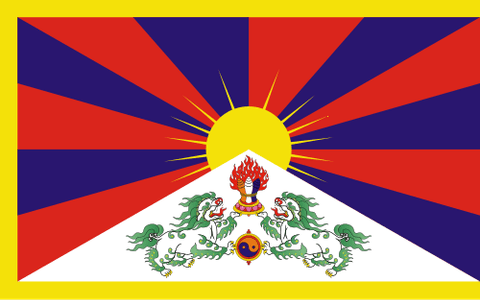 Theocratic Tibet1913–1950 · no longer existsA de facto independent state between the fall of the Qing and the Chinese invasion, Tibet was a Buddhist theocracy ruled by the Dalai Lama, with monasteries and aristocracy owning the land, peasants bound to it and deliberate isolation from the modern world.
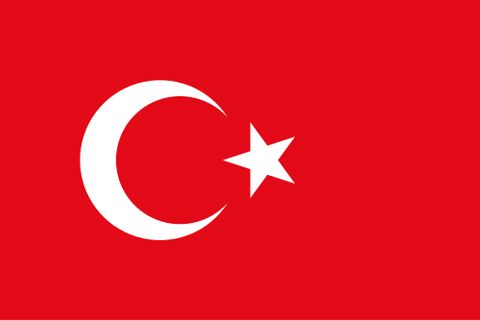 Atatürk's Turkey1923–1938 · no longer existsA republic founded by Mustafa Kemal Atatürk on the ruins of the Ottoman Empire, Kemalist Turkey abolished the caliphate and imposed laicism, the Latin alphabet, women's rights, and economic statism under the single-party CHP.
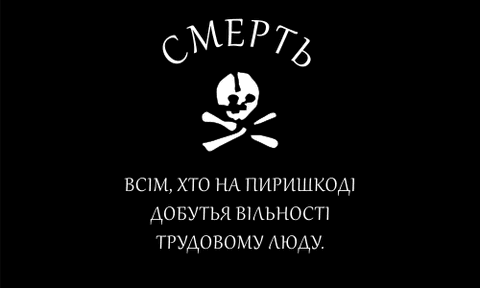 Free Territory (Makhnovshchina)1918–1921 · no longer existsDuring the Russian Revolution, Makhno's Free Territory was an anarchist experiment in Ukraine, with self-managed peasant communes and popular militias that rejected both the White state and Bolshevik power.
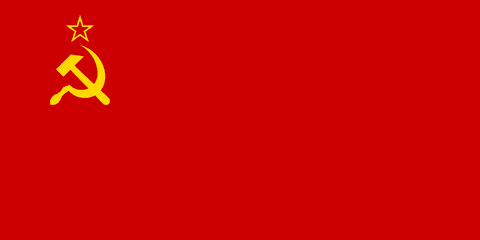 Soviet Union (USSR)1922–1991 · no longer existsThe world's first socialist state, the USSR was a single-party federation with a planned economy and centralized power, becoming a global superpower and the pole of communism during the Cold War.
Guides and updates
Practical articles that support the main tool pages and answer long-tail search questions.
Blog